Leanan sídhe
Ringkasan
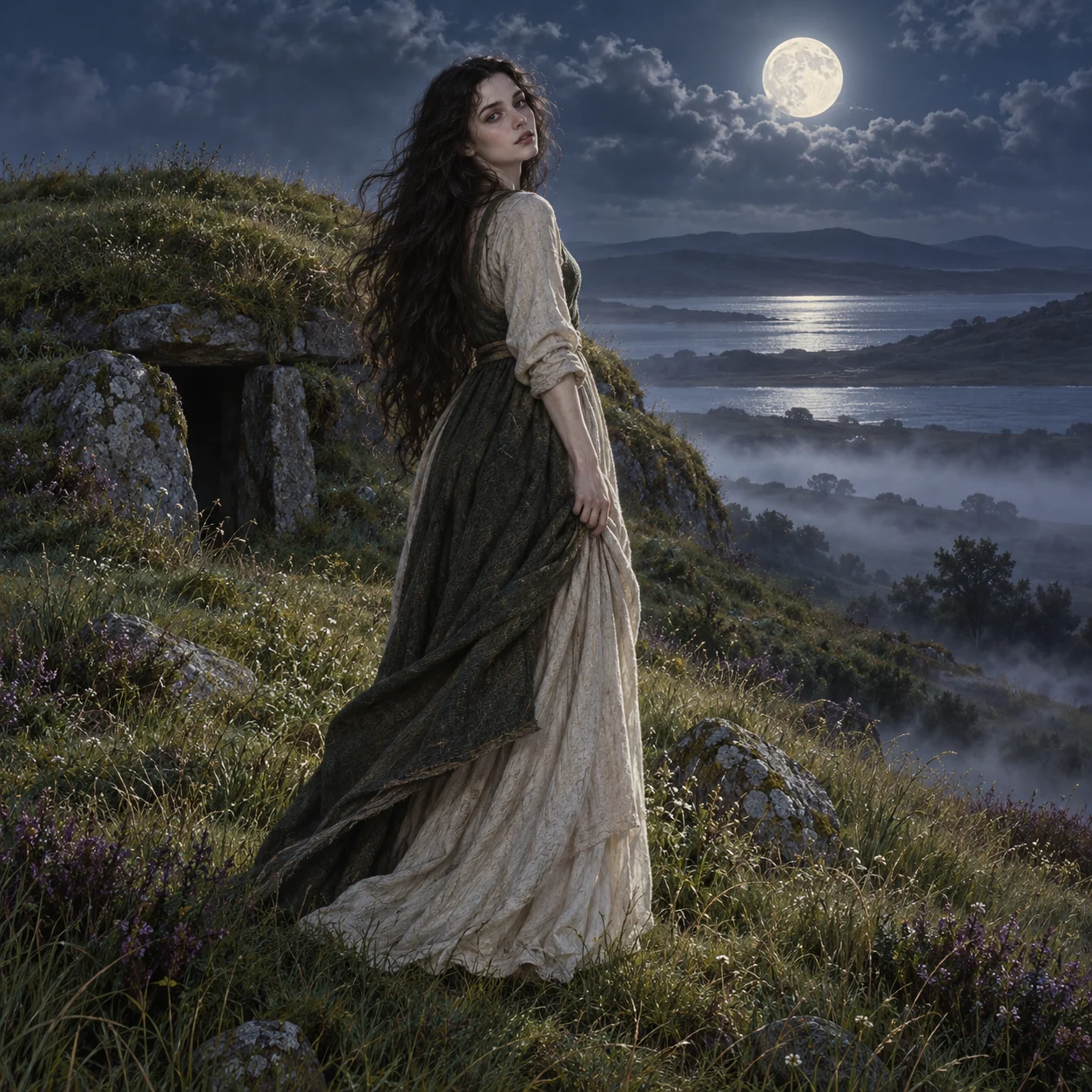
Leanan sídhe ("kekasih peri") adalah sosok mitologi Kelt, perempuan cantik dari Aos Sí yang mengambil kekasih manusia; para kekasihnya hidup singkat tetapi penuh ilham.
The leanan sídhe ('fairy lover') is a figure of Celtic myth, a beautiful woman of the Aos Sí who takes a human lover; her lovers live brief but inspired lives.
Kisah dan tradisi
Leannán sídhe (Irlandia/Irish, harfiah "kekasih peri"; Gaelik Skotlandia/Scottish Gaelic: leannan sìth; Manx: lhiannan shee) adalah sosok dari mitologi Kelt (Celtic). Ia digambarkan sebagai perempuan cantik dari Aos Sí ("orang gundukan peri") yang mengambil kekasih manusia, dan para kekasihnya dikatakan hidup singkat tetapi sangat terilhami. Namanya berasal dari kata Gaelik untuk kekasih dan sebutan bagi penghuni gundukan peri. Meski biasanya berwujud peri perempuan, ada setidaknya satu rujukan tentang leannán sídhe laki-laki yang mengganggu perempuan fana. Sebuah versi mitos ini dipopulerkan selama Kebangkitan Kelt (Celtic Revival) akhir abad kesembilan belas; Jane Wilde ("Speranza") menyebutnya dalam Ancient Legends, Mystic Charms and Superstitions of Ireland (1887). W. B. Yeats mempopulerkan versinya sendiri yang menonjolkan sifat hampir vampiriknya: ia muse cantik yang memberi ilham kepada seniman sebagai ganti cinta dan pengabdian, tetapi hubungan gaib itu berujung kegilaan dan kematian. Menurut artikel de, sosok serupa Lhiannan Shee dikenal di Isle of Man, dan para peri ini menghabiskan nyawa kekasihnya serta tak membiarkan mereka lolos bahkan setelah mati.
The leannán sídhe (Irish, literally 'fairy lover'; Scottish Gaelic leannan sìth; Manx lhiannan shee) comes from Celtic myth. She is shown as a lovely woman of the Aos Sí ('people of the fairy mounds') who chooses a human lover, and those lovers are said to live short but deeply inspired lives. The name joins Gaelic words for sweetheart and for the dwellers of fairy mounds. Though usually a female fairy, there is at least one account of a male leannán sídhe troubling a mortal woman. A version of the myth spread during the Celtic Revival of the late nineteenth century; Jane Wilde ('Speranza') mentions it in her Ancient Legends, Mystic Charms and Superstitions of Ireland (1887). W. B. Yeats popularised his own take stressing her near-vampiric side: a beautiful muse giving an artist inspiration in return for love and devotion, an affair that ends in madness and death. According to the de article a similar Lhiannan Shee is known on the Isle of Man, and these fairies use up their lovers' lives and let them go not even in death.
Fakta utama
- Budaya / Culture
- Tradisi Irlandia
- Kawasan / Region
- Eropa
- Negara / Country
- IE
- Klasifikasi / Classification
- Fairy
Nama lain / Alternate names
leannán sídhe, leannan sìth, lhiannan shee
Tahukah kamu? / Did you know?
Menurut W. B. Yeats, penyair Gaelik mati muda karena leanan sídhe gelisah dan tak membiarkan mereka lama di bumi.
According to W. B. Yeats, Gaelic poets die young because the leanan sídhe is restless and will not let them stay long on earth.
Makhluk terkait / Related beings
- Aos Sí
- Abcán
- Bran dan Sceólang (Bran and Sceólang)
- Clíodhna
- Clurichaun
- Dobhar-chú
- Dullahan
- Enbarr
- Far darrig