Landvættir
Ringkasan
Landvættir adalah roh tanah dalam agama Nordik Kuno, kepercayaan rakyat kemudian, dan Heathenry modern, yang terikat pada tempat tertentu dan menentukan kesuburan tanahnya.
Landvættir are land spirits of Old Nordic religion, later folk belief and modern Heathenry, bound to particular places and needed for the land to be fruitful.
Kisah dan tradisi
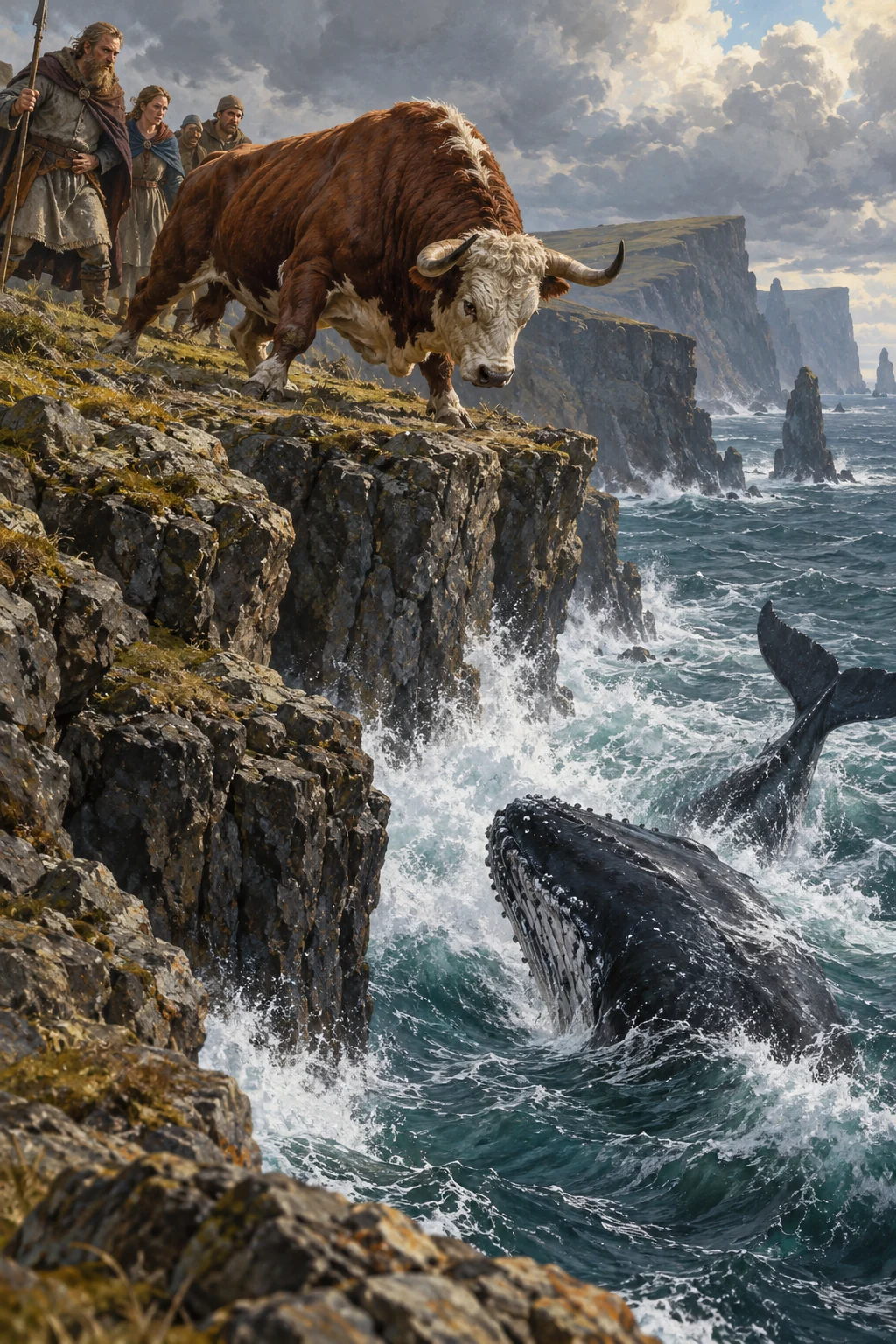
Landvættir, "roh tanah", dikenal dalam agama Nordik Kuno, kepercayaan rakyat sesudahnya, dan Heathenry modern. Mereka terikat erat pada tempat tertentu, dan kesejahteraan mereka dianggap syarat agar tanah yang mereka huni subur. Dalam sumber Nordik Kuno mereka bisa berbahaya, sanggup mengusir orang yang tak diinginkan, tetapi juga dapat ditakut-takuti, misalnya dengan hiasan kepala kapal atau níðstöng. Hukum kafir lama Islandia melarang kapal mendekati daratan dengan kepala berukir yang menganga agar roh tanah tidak takut. Landnámabók menceritakan tak seorang pun berani tinggal di tempat Hjörleif menetap karena landvættir, dan para perempuan membawa makanan ke tumpukan batu agar landvættir membuat mereka makmur. Hukum Gulating Norwegia abad ke-13 melarang kepercayaan bahwa gundukan kubur, hutan, dan air terjun dihuni landvættir sebagai bidah. Dalam sebuah kisah saga, seorang penyihir utusan Raja Harald berwujud paus melihat semua gunung dan bukit Islandia penuh roh penjaga, lalu diusir di tiap sisi pulau oleh naga, burung besar, banteng, dan raksasa gunung (bergrisi). Keempat sosok ini kini dipandang sebagai pelindung empat wilayah Islandia dan tampil pada lambang negara serta koin króna. Sebagian sarjana menganggap landvættir roh chthonic atau arwah orang mati, sedangkan yang lain memandangnya roh alam karena kadang mereka menghuni tanah yang tak pernah didiami manusia. Mereka juga dikaitkan dengan elf, kurcaci, dan landdísir.
Landvættir, 'land spirits', figure in Old Nordic religion, in the folk belief that followed it and in present-day Heathenry. Each is bound to a particular place, and the fruitfulness of that land was thought to depend on their wellbeing. Old Norse sources show them as potentially dangerous, able to drive away unwanted people, yet capable of being frightened by things like carved ship figureheads or a níðstöng. The old heathen law of Iceland forbade ships to approach land with gaping carved heads lest the land spirits be scared. Landnámabók says that fear of the landvættir kept anyone from living on Hjörleif's former land, and women took food to stone piles hoping the landvættir would make them prosperous. Norway's 13th-century Gulating laws banned the belief that howes, woods and waterfalls were inhabited by landvættir as heresy. In a saga account a warlock sent by King Harald in the shape of a whale saw all the mountains and hills of Iceland full of guardian spirits, and was driven off on each side of the island by a dragon, a great bird, a bull and a mountain giant (bergrisi). These four figures are now regarded as protectors of Iceland's four quarters and appear on the coat of arms and the króna coins. Some scholars consider landvættir chthonic spirits of the dead, while others see them as nature spirits because they sometimes live in land never settled by people. They have also been linked with elves, dwarfs and landdísir.
Fakta utama
- Budaya / Culture
- Mitologi Nordik
- Kawasan / Region
- Eropa
- Klasifikasi / Classification
- Spirit
- Habitat
- Mountain
Nama lain / Alternate names
Landvættr
Tahukah kamu? / Did you know?
Hukum kafir lama Islandia meminta kepala berukir di haluan kapal dilepas sebelum daratan terlihat, agar roh tanah tidak ketakutan.
Iceland's old heathen law required carved figureheads to be removed before land came into sight, so the land spirits would not be frightened.