Dwarf (folklore) Dwarf
Ringkasan
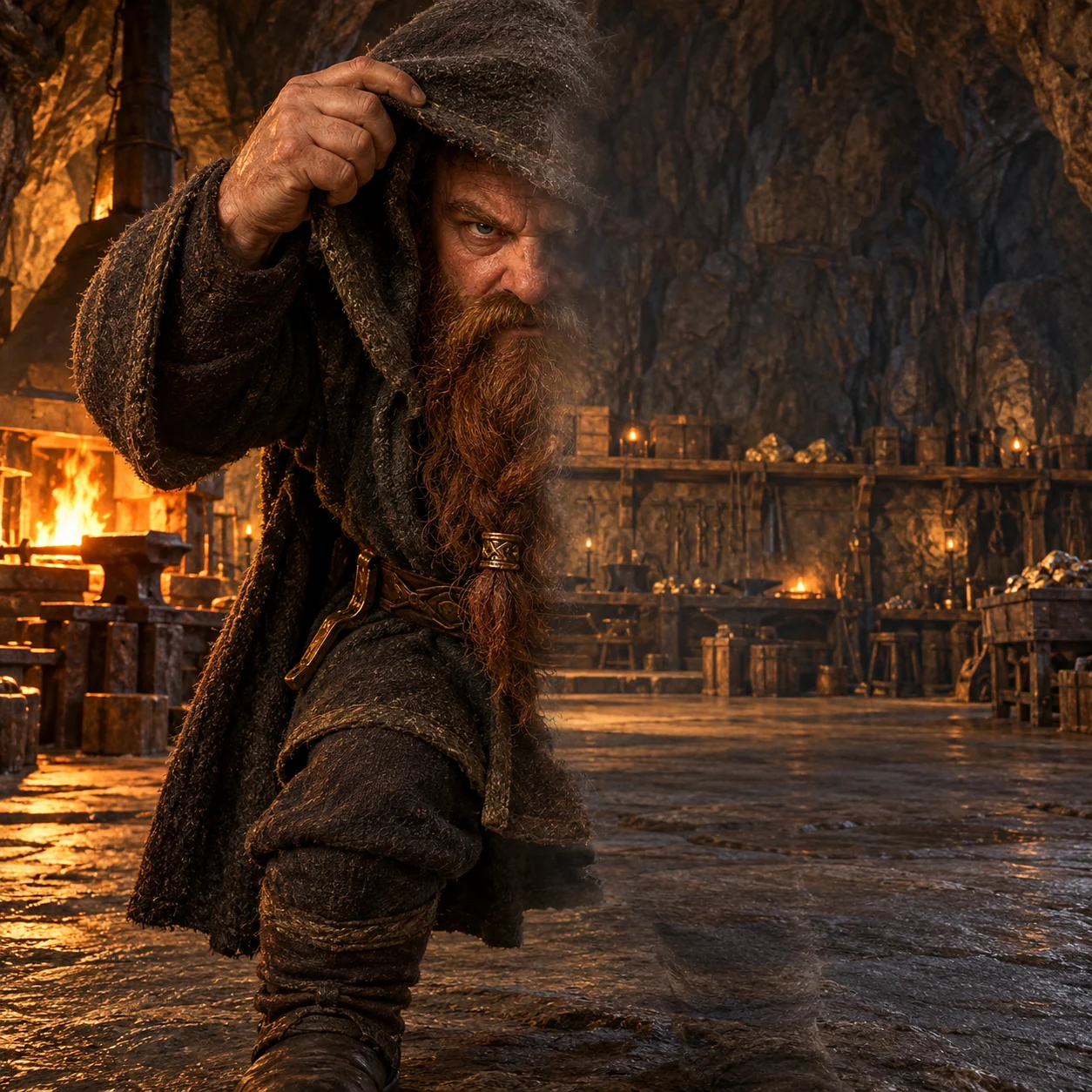
Kurcaci (dwarf) adalah makhluk gaib berwujud manusia dalam cerita rakyat Jermanik, yang umumnya tinggal di gunung atau batu dan dikenal sebagai perajin yang mahir.
A dwarf is a supernatural human-shaped being of Germanic folklore, commonly said to live in mountains or stones and known as a skilled craftsman.
Kisah dan tradisi
Kurcaci (dwarf) adalah makhluk gaib berwujud manusia dalam cerita rakyat Jermanik (Germanic). Gambaran tentang mereka sangat beragam sepanjang sejarah; umumnya, tetapi tidak selalu, mereka tinggal di gunung atau batu dan merupakan perajin yang mahir. Dalam sumber sastra awal hanya lelaki yang secara tegas disebut kurcaci, meski mereka disebut punya saudari dan anak perempuan. Kata Inggris dwarf berasal dari dweorg (Old English), sekerabat dengan dvergr (Old Norse) dan twerg (Old High German). Menurut Edda Prosa, para kurcaci mula-mula tumbuh seperti belatung dalam daging raksasa Ymer, lalu atas keputusan para dewa memperoleh akal dan rupa manusia, tetapi tetap harus tinggal di dalam tanah dan batu; Modsogner dan Durin adalah dua di antaranya. Syair Völuspá juga menyebut bahwa Motsognir adalah yang terkuat di antara para kurcaci, dan Durin berikutnya. Para sarjana menduga Svartálfar ("elf hitam") dalam Edda Prosa adalah makhluk yang sama dengan kurcaci, karena keduanya disebut tinggal di Svartálfheimr. Dalam sumber Edda, kurcaci membuat harta ajaib bagi para dewa, seperti Mjölnir, rambut Sif, Draupnir, Gullinbursti, Skíðblaðnir, Gleipnir, dan Gungnir, serta Brísingamen bagi Freyja; mereka juga membuat mead puisi dari darah Kvasir. Dalam kesusastraan Jerman banyak kurcaci dapat menjadi tak kasatmata, biasanya dengan Tarnkappe (jubah tak kasatmata), dan bisa bersikap bermusuhan atau bersahabat terhadap manusia. Kurcaci Alberich dalam Nibelungenlied menjaga harta Nibelung dan sekuat dua belas lelaki. Dalam sumber Nordik awal kurcaci tidak disebut kecil, tetapi dalam saga legenda dan cerita rakyat kemudian mereka sering digambarkan pendek; sebagian dapat berubah wujud, seperti Andvari yang hidup sebagai ikan tombak. Dalam syair Alvissmol, kurcaci Alvis yang ingin menikahi putri Thor dipaksa menjawab banyak pertanyaan hingga fajar, lalu Thor berkata "hari telah menangkapmu, kurcaci" ketika matahari bersinar di aula. Menurut artikel id, kurcaci tinggal di gua di pegunungan atau di bawah tanah, dapat melihat dengan baik dalam gelap, menambang emas, perak, dan besi, dan merupakan pandai besi yang mahir; dalam mitologi Nordik mereka membuat rantai yang mampu mengikat serigala Fenrir. Kurcaci tetap muncul dalam cerita rakyat modern wilayah berbahasa Jermanik, misalnya Simonside Dwarfs di Northumberland yang konon memakai cahaya untuk menyesatkan orang seperti will-o'-the-wisp. Dalam budaya populer mereka tampil dalam karya J. R. R. Tolkien dan Terry Pratchett, dan dalam dongeng Putih Salju digambarkan sebagai bangsa pekerja keras yang polos tetapi melindungi.
A dwarf is a supernatural human-shaped being of Germanic folklore. Accounts of dwarfs vary widely through history; they are commonly, though not always, said to live in mountains or stones and to be skilled craftsmen. In early literary sources only males are explicitly called dwarfs, though they are said to have sisters and daughters. The English word dwarf comes from Old English dweorg, related to Old Norse dvergr and Old High German twerg. According to the Prose Edda, the dwarfs first quickened like maggots in the flesh of the giant Ymer, then by the gods' decision gained understanding and the likeness of men, yet still had to dwell in earth and rocks; Modsogner and Durin were two of them. The poem Völuspá likewise calls Motsognir the mightiest of the dwarfs, with Durin next. Scholars take the Svartálfar ("black elves") of the Prose Edda to be the same beings as dwarfs, since both are said to live in Svartálfheimr. The Eddic dwarfs are the makers of the gods' wonders, among them Gungnir, Gleipnir, Draupnir, Mjölnir, Gullinbursti, Skíðblaðnir and the golden hair of Sif, as well as Freyja's Brísingamen; they also brewed the mead of poetry from Kvasir's blood. In German literature many dwarfs can become invisible, usually with a Tarnkappe (cloak of invisibility), and may be hostile or friendly to humans. The dwarf Alberich in the Nibelungenlied guards the Nibelung treasure and has the strength of twelve men. In early Norse sources dwarfs are not said to be small, but in the legendary sagas and later folklore they are often described as short; some can change shape, like Andvari who lived as a pike. In the poem Alvissmol, the dwarf Alvis, wishing to marry Thor's daughter, is made to answer question after question until dawn, and Thor says "the day has caught thee, dwarf" as the sun shines in the hall. According to the id article, dwarfs live in caves in the mountains or underground, see well in the dark, mine gold, silver and iron, and are skilled smiths; in Norse mythology they made the chain able to bind the wolf Fenrir. Dwarfs remain in the modern folklore of Germanic-speaking regions, such as the Simonside Dwarfs of Northumberland, said to use lights to lure people off paths like a will-o'-the-wisp. In popular culture they appear in the works of J. R. R. Tolkien and Terry Pratchett, and in the tale of Snow White they are a hard-working, simple but protective people.
Fakta utama
- Budaya / Culture
- Tradisi Jermanik
- Kawasan / Region
- Eropa
- Klasifikasi / Classification
- Humanoid
- Habitat
- Mountain
- Kemampuan / Abilities
- Pembuat benda ajaib, Tak kasatmata, Berubah wujud, Kekuatan besar
Nama lain / Alternate names
dvergr, dweorg, twerg, Svartálfar
Tahukah kamu? / Did you know?
Menurut Edda Prosa, kurcaci mula-mula tumbuh seperti belatung di dalam daging raksasa Ymer sebelum para dewa memberi mereka rupa manusia.
According to the Prose Edda, the dwarfs first grew like maggots in the flesh of the giant Ymer before the gods gave them human likeness.